Marco Labate QA

Don't Stop, Girlypop!

Developed by Funny Fintan Softworks · Published by Kwalee

Structured Gameplay QA and UX playtesting focused on onboarding, controller usability, core-loop clarity, issue reporting, and player-experience validation.

Engagement at a glance

Engagement
Gameplay QA / UX playtesting via DAQA
Contribution
First-time-user and controller-usability testing, issue reporting, GUESS-18 based feedback
Period
2025 – 2026
QA partner
DAQA
Coverage
Steam (PC) build, controller and keyboard input
Credit status
Credited under DAQA

Platform references describe QA coverage or testing exposure where applicable and do not necessarily indicate public release availability on every platform.

QA value shown

Demonstrates UX-focused playtesting centered on the first-time player experience, onboarding clarity and controller usability. The contribution compared controller and keyboard input flows and translated player-facing friction into structured, actionable feedback supported by the GUESS-18 evaluation framework. This work formed part of the game’s gameplay and UX QA effort.

Overview

Game description

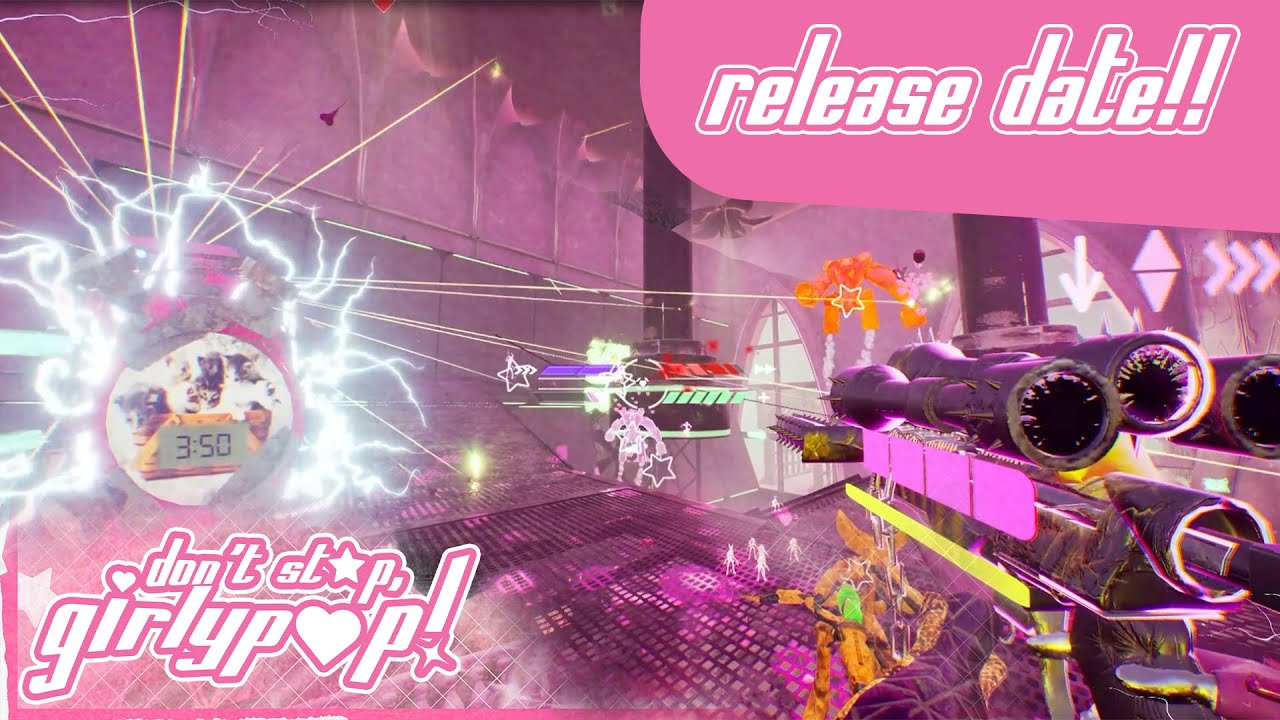
A Y2K-inspired arena movement shooter built around constant momentum, combining high-speed combat with a bright, energetic visual identity.

QA Contribution

I supported Don't Stop, Girlypop! through structured Gameplay QA and UX-focused playtesting, evaluating the first-time player experience, controller support, onboarding clarity, core-loop readability, usability, and audiovisual presentation. My contribution combined hands-on testing, issue identification, structured documentation, and GUESS-18 based feedback to highlight risks, track player-facing friction, and support product quality improvements.

QA coverage areas

Supported QA and playtesting activities for the Steam PC release.

  • Steam

Trailer

Official trailer

Watch the official trailer for a quick look at the project’s tone, gameplay, and presentation.

This video is hosted by YouTube. Playing it may allow YouTube/Google to process data according to their own policies.

Public project metrics

Publicly available indicators that provide context for the project's market presence and player reception. These are public project metrics for the title as a whole, not personal performance metrics, and do not represent any individual contributor's impact on its sales, reviews, or commercial performance.

Last checked: June 2026

Very Positive

Steam reception

470+

Steam reviews

187

All-time Steam peak

Public metrics are based on publicly available store or press information and may change over time.

Role and responsibilities

Gameplay QA / UX Playtesting Support

  • Performed structured PC playtesting with primary focus on controller-based gameplay.
  • Evaluated onboarding, controls, menus, weapons, abilities, prompts, and core-loop readability.
  • Identified and documented usability concerns with clear context, player impact, and reproduction notes where applicable.
  • Compared controller and keyboard input flows to identify accessibility, mapping, and progression risks.
  • Translated player-facing friction into concise, actionable QA feedback supported by GUESS-18 evaluation data.

Testing activities

  • Structured exploratory playtesting
  • First-time user experience and onboarding evaluation
  • Controller support and input-flow validation
  • Keyboard and controller comparison checks
  • Menu, prompt, keybinding, and pause-behavior usability review
  • Core-loop, weapon, ability, and progression-readability analysis
  • Audiovisual clarity and player-experience assessment
  • GUESS-18 based feedback consolidation

Coverage areas

  • First-time user experience and progression clarity
  • Controller mapping and keyboard input comparison
  • Core loop, weapons, abilities, and combat readability
  • Menus, prompts, keybindings, and pause behavior
  • Difficulty perception, pacing, and gameplay readability
  • Visual identity, atmosphere, music, and sound design
  • Player comprehension, usability, and overall experience flow

Representative QA findings

  • Identified and documented onboarding clarity risks affecting first-time player comprehension and early progression.
  • Reported controller mapping gaps where required actions were not consistently accessible through gamepad input.
  • Flagged prompt and input-flow inconsistencies that could make progression less clear during early play.
  • Documented keybinding persistence concerns and their impact on player confidence across sessions.
  • Reported pause-state and menu-behavior issues affecting player control during active gameplay sequences.
  • Highlighted positive core-loop engagement once movement, combat rhythm, and mechanics became clear.
  • Noted strong audiovisual identity and pacing alignment, while also flagging potential repetition risks for review.
  • Consolidated usability, clarity, and player-experience findings into structured feedback for development follow-up.

Challenges

  • Evaluating intended player flow while controller support and input coverage were still being refined.
  • Separating subjective preference from reproducible usability, clarity, and accessibility concerns.
  • Turning broad playtest observations into concise, actionable QA feedback.
  • Balancing qualitative player-experience feedback with structured GUESS-18 evaluation data.

Lessons learned

  • Controller support should be validated across the full player journey, not only during isolated input checks.
  • Onboarding quality directly affects how quickly players understand the core loop, mechanics, and progression goals.
  • Effective playtest feedback should connect each issue to context, player impact, and expected experience.
  • Structured frameworks such as GUESS-18 help support qualitative feedback with more consistent evaluation criteria.

Methods and tools

  • PC playtesting
  • Controller and keyboard input comparison
  • GUESS-18 evaluation framework
  • Structured QA documentation
  • Usability and player-experience analysis
  • Issue reporting and feedback consolidation

This case study is sanitized and focuses on QA methodology, player-experience analysis, and publicly discussable contribution areas. No confidential data, proprietary implementation details, unreleased content, or internal development information is disclosed.